For many intended parents, the birth of a child through surrogacy is one of the most meaningful moments of their lives. It can also be unexpectedly emotional, tender, and psychologically complex. After years of infertility, IVF treatment, waiting lists, legal processes, financial stress, or previous heartbreak, some parents imagine that the moment the baby arrives everything will instantly “click.”
Sometimes it does.
But for many others, the emotional reality is more gradual.
Some parents feel overwhelming love immediately. Others feel relief first. Some feel numb, stunned, anxious, protective, grateful, terrified—or all of these in the same day. Many are surprised to discover that fully feeling like the baby is theirs can take time.
This deeply human transition is often what people are referring to when they talk about the psychological process of claiming the baby after surrogacy.
In this context, claiming the baby does not mean ownership, possession, or legal control. It means the internal emotional process of stepping into parenthood: recognising the child as my child, experiencing oneself as their parent, and allowing attachment, confidence, and belonging to grow.
It is about identity.
It is about bonding.
It is about healing after years of waiting.
And it is exactly where online remote surrogacy counselling can provide compassionate and evidence-based support.
What Does Psychological “Claiming the Baby” Mean?
Psychological claiming is the process of emotionally integrating the baby into your sense of self and family identity.
It often includes:
- Feeling “this is my baby” emotionally, not only logically
- Developing trust in yourself as a parent
- Bonding through everyday care and connection
- Feeling entitled to love the child fully
- Letting go of fears that something will still go wrong
- Releasing the belief that someone else is the “real” parent
- Seeing your family as complete and legitimate
- Allowing joy after years of guarded hope
For some people this happens instantly in the delivery room.
For others it unfolds over weeks or months.
For many, it happens quietly through ordinary moments: a 3am feed, the baby settling on your chest, the first smile, choosing clothes, knowing their cry, instinctively reaching for them.
That slower process is normal.
It does not mean love is missing. It often means love is growing roots.
Why Can Claiming the Baby Feel Harder After Surrogacy?
Surrogacy can create families beautifully—but it can also create a unique psychological pathway to parenthood.
Unlike spontaneous conception or carrying a pregnancy yourself, intended parents often arrive at birth carrying emotional history that can complicate bonding.
1. The Weight of Infertility Trauma
Many intended parents do not begin surrogacy fresh and carefree. They arrive exhausted.
Often they have lived through:
- Failed IVF cycles
- Miscarriages
- Pregnancy loss
- Repeated disappointment
- Medical procedures
- Shame or self-blame
- Relationship strain
- Financial pressure
- Years of uncertainty
Research shows infertility is associated with significant psychological distress, grief, anxiety, and lowered wellbeing (Greil et al., 2011).
When someone has learned, again and again, that hope can hurt, they may unconsciously protect themselves by staying emotionally guarded.
They may think:
- “I’ll believe it when the baby is here.”
- “I don’t want to jinx it.”
- “What if something still goes wrong?”
- “I’m scared to feel too much.”
This is not coldness. It is survival.
2. Missing the Pregnancy Experience
Pregnancy often acts as a gradual bridge into parenthood.
It offers:
- Physical reminders every day
- Body changes that signal transition
- Feeling kicks and movement
- Social recognition as a parent-to-be
- Nine months of psychological preparation
In surrogacy, intended parents may deeply love the baby while still feeling somewhat outside the embodied process.
Some describe it as:
- “Watching from the sidelines”
- “Being grateful but disconnected”
- “Knowing it’s my baby, but not feeling it yet”
- “Emotionally catching up after birth”
This does not mean the bond will be weaker. It simply means the path is different.
3. Fear After Long Waiting
When something precious takes years to reach, it can feel fragile.
Many intended parents struggle to relax because joy feels dangerous.
Even after birth, thoughts may include:
- “Can I trust this is real?”
- “What if it gets taken away?”
- “What if I’m not enough?”
- “What if I don’t bond properly?”
This anxiety can delay the softer feelings of connection.
4. Social Myths About “Real Parents”
Insensitive social narratives can quietly wound intended parents.
Examples include:
- “Who is the real mother?”
- “Won’t the baby think the surrogate is Mum?”
- “It’s not the same as having your own.”
These statements are inaccurate and emotionally harmful.
Parenthood is not defined by who endured morning sickness. Parenthood is built through love, care, responsibility, emotional presence, and relationship.
How It Helps
Online remote surrogacy counselling offers a private, flexible, and compassionate space for intended parents to process these emotions before and after birth.
Because counselling is remote, support can continue regardless of location, newborn schedules, fatigue, or travel demands.
That convenience matters enormously in early parenthood.
Identity Work: Becoming the Parent Internally
Many intended parents have spent years identifying as:
- infertile
- waiting
- trying
- grieving
- hoping
- patients in treatment
Counselling helps shift identity toward:
- parent
- protector
- nurturer
- family leader
- emotionally available caregiver
This shift is often profound.
Sometimes the baby has arrived, but the mind is still catching up.
Attachment Support
Therapists may help parents build bonding through:
- Skin-to-skin contact
- Eye contact and voice familiarity
- Responsive soothing
- Feeding routines
- Bedtime rituals
- Shared caregiving confidence
- Reading baby cues
Attachment theory suggests secure bonds are built through consistent, sensitive caregiving—not pregnancy alone (Bowlby, 1988).
This is an important truth for surrogacy families.
Healing Reproductive Trauma
Many parents need permission to grieve what happened before they can fully embrace what is here now.
That may include grief for:
- pregnancies lost
- years lost
- imagined pathways lost
- a body that did not cooperate
- the parenthood journey they expected
Counselling helps hold grief and gratitude together.
You do not have to choose one.
Signs the Claiming Process Is Happening
Psychological claiming is often subtle rather than dramatic.
You may notice:
- Saying “my baby” naturally
- Feeling protective instincts
- Missing the baby when apart
- Recognising different cries
- Making future plans automatically
- Feeling calmer in caregiving
- Looking at the baby with tenderness
- Feeling like a real family unit
- Less comparison to the surrogate pregnancy
- Growing confidence day by day
Sometimes parents only realise later:
“I didn’t notice when it happened—but somewhere along the way, I became Mum.”
“I just became Dad in the ordinary moments.”
Can Intended Parents Bond Deeply If They Didn’t Carry the Baby?
Absolutely.
Research in developmental psychology consistently shows babies attach to caregivers who provide safety, responsiveness, warmth, and attunement (Ainsworth et al., 1978).
Babies bond through:
- being soothed
- being held
- being responded to
- hearing familiar voices
- feeling safe
- having needs met repeatedly
Pregnancy can be one pathway into attachment—but it is not the only pathway.
The surrogate’s role can be deeply honoured while intended parents become the child’s secure base.
Those truths can coexist beautifully.
Common Emotional Reactions After Birth
Immediate Love
Some parents feel instant, overwhelming connection.
Relief Before Love
After years of stress, some first feel: “We made it.”
Numbness
Shock and emotional exhaustion can temporarily flatten feeling.
Anxiety
Some remain hypervigilant because happiness feels risky.
Guilt
Some feel guilty that another woman carried the pregnancy.
Delayed Warmth
Love emerges through repeated care, not cinematic moments.
All of these reactions can be normal.
None automatically predict poor attachment.
Practical Ways to Support Claiming the Baby
1. Be Hands-On Early
Feed, change, settle, soothe, bathe, cuddle, and respond.
Caregiving creates connection.
2. Use Skin-to-Skin Contact
Physical closeness helps regulate both baby and parent.
3. Speak Your Parent Identity
Say:
- “I’m your mum.”
- “I’m your dad.”
- “We’re your parents.”
- “You are so loved.”
Language shapes identity.
4. Create Rituals
Songs, bedtime routines, morning cuddles, family photos, and celebrations build belonging.
5. Tell the Story with Pride
Your child’s origin story can be one of love, teamwork, courage, and intention.
6. Accept Gradual Bonding
You do not need instant fireworks to become a devoted parent.
7. Use Surrogacy Counselling
Support can help dissolve shame, anxiety, and self-doubt quickly and gently.
When to Seek Extra Support
Please seek counselling if there is:
- Persistent emotional distance
- Severe anxiety
- Panic about losing the baby
- Depression symptoms
- Trouble sleeping unrelated to newborn care
- Relationship conflict
- Obsessive comparison with the surrogate
- Feeling like an imposter parent
- Difficulty functioning day to day
Early support is wise, not weak.
Myths About Claiming the Baby
“If bonding isn’t instant, something is wrong.”
False. Many secure attachments develop gradually.
“The baby only bonds with the birth mother.”
False. Babies bond with responsive caregivers.
“Surrogacy parents are less real.”
False. Parenthood is relational, lived, and deeply psychological.
“If I feel anxious, I must not be ready.”
False. Anxiety often reflects how much this matters to you.
Final Thoughts
The psychological process of claiming the baby after surrogacy is really the process of becoming a parent from the inside out.
It is moving from waiting to belonging.
From fear to trust.
From observer to caregiver.
From hoping for a family to living as one.
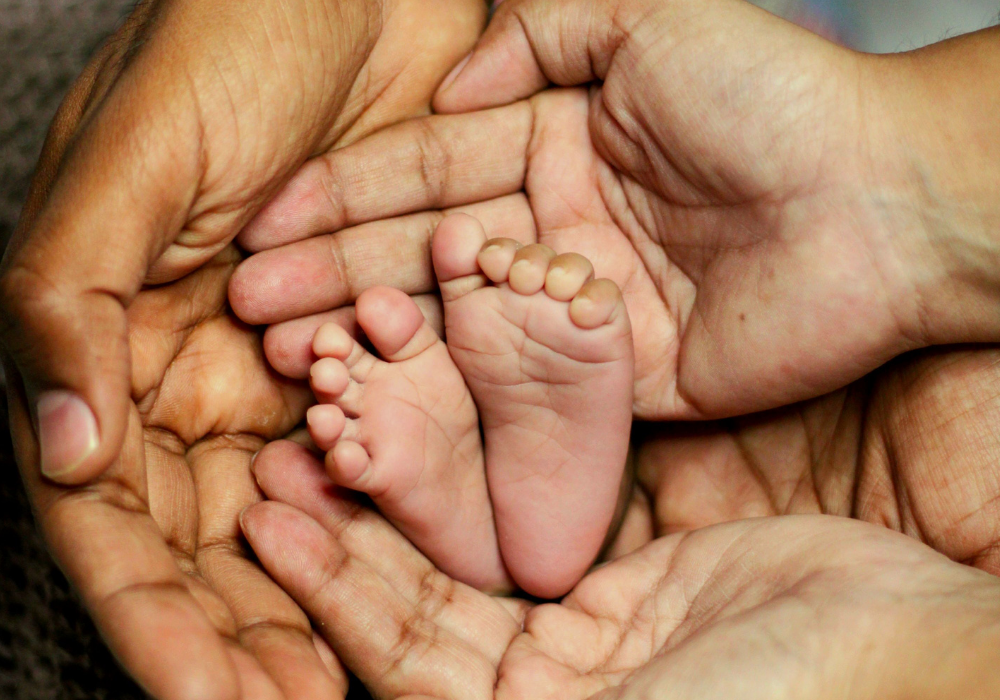
For some, this happens in a single emotional moment. For many others, it happens through sleepy feeds, tiny fingers wrapped around yours, learning cries, first smiles, and hundreds of ordinary acts of love.
If your bond feels gradual, you are not behind.
You are becoming.
Online remote surrogacy counselling can gently support this transition, helping intended parents heal old wounds and fully step into the parenthood they have worked so hard to reach.
You did not need to carry the baby to become the baby’s true psychological parent.
Love, presence, safety, and devotion are what claim the heart.
References
Ainsworth, M. D. S., Blehar, M. C., Waters, E., & Wall, S. (1978). Patterns of Attachment. Erlbaum.
Bowlby, J. (1988). A Secure Base: Parent-Child Attachment and Healthy Human Development. Basic Books.
Golombok, S. (2020). We Are Family: What Really Matters for Parents and Children. Scribe.
Greil, A. L., Slauson-Blevins, K., & McQuillan, J. (2011). The experience of infertility: A review of recent literature. Sociology of Health & Illness, 33(1), 1–20.