When you have waited a long time to become a parent, you may have imagined the moment your baby is born many times.
You might picture being at the hospital, hearing your baby cry, having skin-to-skin contact and finally holding the child you have worked so hard to welcome. Your surrogate may have helped you plan how those first hours will unfold, including who will be present, who will hold the baby first and how everyone will be supported.
When a baby comes early, that carefully imagined beginning can change in minutes.
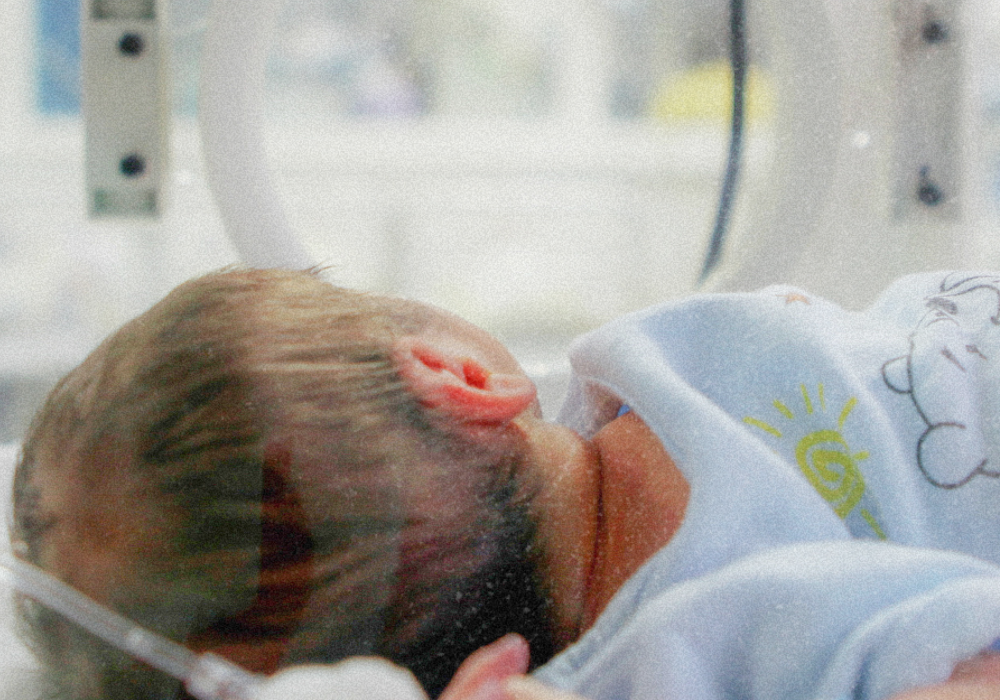
The surrogate may need emergency medical treatment. Your baby may be transferred immediately to a neonatal intensive care unit or special care nursery. Intended parents may still be travelling to the hospital, particularly in interstate or international surrogacy arrangements. Instead of holding your baby, you may find yourself standing beside an incubator, watching monitors and waiting for permission to touch them.
One of the most common fears intended parents experience in this situation is:
Have we missed our opportunity to bond with our baby?
The reassuring answer is no.
Attachment does not depend on one perfect moment after birth. It develops through hundreds and thousands of small experiences in which a baby gradually learns: These are the people who notice me, respond to me, comfort me and help me feel safe.
A premature or medically complicated birth can make the beginning of that process feel different. It does not prevent a secure and deeply connected relationship from developing.
Attachment is not decided in the first hour
Bonding and attachment are related, but they are not quite the same thing.
Bonding usually describes a parent’s emotional connection with their baby. For some parents, this feeling is immediate and powerful. For others, particularly after infertility, pregnancy loss, a traumatic birth or neonatal intensive care, it develops more gradually.
Attachment refers to the relationship that develops as a baby repeatedly experiences a caregiver as available, responsive and emotionally safe. It is not created by pregnancy alone, a genetic relationship, breastfeeding or being the first person to hold the baby.
Attachment is built over time.
Research following families created through surrogacy has generally found warm parent–child relationships and healthy family functioning. In one longitudinal study, surrogacy families showed positive parent–child relationships, while a further study following families over ten years found that most maintained harmonious relationships with their surrogate and that children generally felt positively about their surrogacy story. These studies involved relatively small samples, but they do not support the idea that the absence of a gestational connection prevents intended parents from forming strong relationships with their children.
There is no single “golden moment” that determines your relationship.
Skin-to-skin contact and early closeness are valuable when they are medically possible, but missing the first cuddle, first feed or even the birth itself does not mean that attachment has been damaged beyond repair.
Why premature birth can feel particularly destabilising in surrogacy
A baby is considered preterm when born before 37 completed weeks of pregnancy. Depending on how early the baby arrives and their medical needs, they may spend hours, days, weeks or months in neonatal care.
Any premature birth can be frightening. In surrogacy, several additional layers may make the experience more complicated.
The intended parents may not be physically present when labour begins. The surrogate and baby may be admitted to different wards or transferred to different hospitals. The intended parents may feel emotionally like the baby’s parents but find that hospital systems do not immediately recognise their role. Decisions about medical consent, access, identification bands, feeding and communication may suddenly become urgent.
In Australian surrogacy arrangements, the surrogate, and sometimes her partner, is generally recognised as the child’s legal parent at birth. Parentage is subsequently transferred to the intended parents through a court order. This makes specialist legal advice and advance hospital planning especially important, including clarification of who may receive medical information and make decisions in an emergency.
None of these administrative or legal complications reflects the quality of the intended parents’ relationship with their baby. However, they can leave intended parents feeling powerless or peripheral at precisely the time they most need to begin inhabiting their parental role.
That experience deserves to be acknowledged.
Your premature baby may communicate differently
Intended parents sometimes worry when their premature baby does not respond as they expected.
A preterm baby may:
– sleep for long periods
– become tired very quickly
– make limited eye contact
– appear still or withdrawn
– show subtle rather than obvious signs of distress
– become overwhelmed by light, sound, movement or touch
– need breaks during holding, feeding or interaction
– turn away when they need help regulating.
These behaviours are not signs that your baby does not recognise, need or want you.
Premature babies have immature neurological and regulatory systems. Their behavioural cues can be quieter and more difficult to interpret than those of a full-term baby. Research has found that parents can initially find it harder to read and respond to these less obvious cues, particularly while coping with the stress of neonatal intensive care.
Your baby may communicate, “I need less stimulation,” rather than, “I do not want you.”
Attachment-focused care involves learning your particular baby’s language. Sometimes connection means holding them. At other times, it means remaining close, speaking softly and allowing them to rest.
What the latest developmental psychology research tells us premature babies need from parents
One of the most important shifts in neonatal and developmental psychology is away from thinking of parents as visitors to the NICU, or as people who simply provide extra stimulation. Parents are increasingly understood as part of a premature baby’s regulatory environment.
A baby born early is still developing the capacity to organise sleep, wakefulness, movement, attention and physiological arousal. This means that the central relational task is not to keep the baby engaged. It is to help the baby remain regulated enough to rest, recover, feed and gradually become available for interaction.
In practical terms, premature babies need co-regulation: an adult who notices what their nervous system is communicating and adjusts the intensity, timing and duration of contact. Sometimes this will involve skin-to-skin care, holding, talking or eye contact. At other times, the most responsive thing a parent can do is reduce stimulation, keep a hand still, protect sleep or pause an interaction.
Co-regulation before stimulation
The latest research does not support the idea that intended parents should try to “make up” for an early birth by doing more and more with their baby. For a premature baby, more interaction is not automatically better interaction. What matters is whether the contact is well timed, tolerable and responsive to the baby’s cues.
This is sometimes described as contingent responsiveness: the caregiver responds to what the baby is doing, rather than following an adult-led agenda. If the baby becomes more settled, maintains steady breathing or gently turns towards a voice, the interaction may be manageable. If the baby looks away, becomes disorganised or shows physiological stress, the parent slows down or stops. The pause is not a failed interaction. It is the parent showing the baby, “I noticed, and I will help.”
Parents can be taught to read premature babies more accurately
A 2024 randomised clinical trial followed very-low-birth-weight infants whose parents received a structured, parent-guided developmental intervention beginning in the NICU and continuing at home. Parents were coached to recognise their baby’s signals, offer developmentally appropriate interaction and adjust their responses. At 18 months corrected age, children in the intervention group had modestly higher cognitive, language and motor scores, alongside more positive indicators of infant self-regulation and parent responsiveness (Silveira et al., 2024).
More recent research with moderate-to-late preterm infants has reached a similarly careful conclusion. A brief collaborative intervention designed to strengthen parent–infant interaction produced a small benefit in receptive communication at one year, although it did not improve every developmental outcome measured (Birberg Thornberg et al., 2025). A 2026 secondary analysis also found greater maternal availability, acceptance and non-hostility among mothers who completed at least three intervention sessions (Sahlén Helmer et al., 2026).
These findings are promising, but they should not be turned into another source of pressure for parents. The effective interventions were structured, coached and adapted to each baby. They are not evidence that intensive do-it-yourself stimulation is required, or that a child’s development rests on a parent performing every interaction perfectly.
For intended parents, the practical implication is to ask neonatal staff to teach you your baby’s individual signs of engagement, fatigue and overload. Learning how your baby communicates is itself a form of specialised parenting.
Repeated everyday care may have effects well beyond the NICU
The newest follow-up research suggests that early parent-led support may have benefits that remain visible years later. In a 2026 secondary analysis of a randomised trial, very preterm children whose families had received a parent-led developmental programme from the NICU through the first two years showed stronger performance across several executive-function tasks at seven years of age. Because this was a single-centre secondary analysis, the results need replication, but they support an important developmental principle: relationships exert their influence cumulatively, through repeated experiences over time, rather than through one decisive moment after birth (Tarouco et al., 2026).
This is especially relevant in surrogacy. Intended parents do not need to have carried the pregnancy, attended the birth or been the first person to hold the baby to become the people who help organise the baby’s world. Familiarity and trust grow through the rhythm of ordinary caregiving: arriving, noticing, responding, pausing, comforting and returning.
Skin-to-skin care is valuable, but it is not an attachment test
A secondary analysis of the IPISTOSS randomised trial examined immediate skin-to-skin contact with either parent after very preterm birth. Fathers provided much of the skin-to-skin care during the first six hours, and the intervention was associated with stronger infant positive affect and communicative or social skills during parent–infant interaction at four months corrected age, although it did not improve every interaction domain measured (Lilliesköld et al., 2023).
A later analysis of the same trial found lower early symptoms of depression or anxiety for some mothers and fathers who participated in immediate skin-to-skin care (Lilliesköld et al., 2025). This reinforces that skin-to-skin contact can support the parent’s nervous system as well as the baby’s. However, it should never be framed as a pass-or-fail bonding task. When it is delayed or medically impossible, attachment continues through other forms of responsive presence.
Premature babies need relational support around stressful medical care
Premature babies may undergo many necessary procedures while their stress-regulation systems are still developing. A 2025 prospective cohort study found that greater exposure to neonatal procedural pain was associated with more internalising behaviours at 18 months, although the study was observational and cannot establish that procedural pain directly caused those later behaviours (McLean et al., 2025).
Parents cannot remove every painful or frightening aspect of neonatal care, and their presence is not a substitute for appropriate medical pain management. They can, however, ask how to provide supported comfort before, during and after procedures. Depending on the baby’s condition and hospital practice, this may include skin-to-skin care, facilitated tucking or containment, a still hand, a familiar voice and quiet recovery time. The relational message is not, “Nothing difficult will happen.” It is, “You will not be alone while it happens, and I will help you recover afterwards.”
Premature babies also need their parents to be supported
Co-regulation does not require a parent to be perfectly calm. Intended parents may be frightened, exhausted, grieving or traumatised and still offer meaningful comfort to their baby. What matters is having enough practical and emotional support to remain available, to notice when your own nervous system is overwhelmed and to return to connection after difficult moments.
The most psychologically protective message for parents is therefore not, “You must optimise every interaction.” It is: small, well-timed experiences of safety and responsiveness matter; imperfect interactions can be repaired; and attachment has time to grow.
How intended parents can support attachment in the NICU
- Ask about skin-to-skin contact as soon as it is medically appropriate
Skin-to-skin contact, sometimes called kangaroo care, involves placing a baby directly against a caregiver’s bare chest.
The World Health Organization recommends that prolonged skin-to-skin care for preterm and low-birth-weight babies begin as soon as medically possible. It may support physiological regulation while giving babies and caregivers opportunities for closeness and co-regulation.
A randomised clinical trial involving very preterm babies found that immediate skin-to-skin contact with either parent was associated with aspects of more positive infant interaction at four months corrected age. Importantly, fathers provided much of the skin-to-skin care during the first hours following birth, demonstrating that this role is not limited to the person who gave birth.
Ask the neonatal team:
– whether your baby is medically ready for skin-to-skin contact
– whether either intended parent can provide it
– how your baby’s tubes, lines and monitoring equipment will be managed
– how long each session should last
– what signs indicate that your baby needs a break.
There may be periods when your baby is not stable enough to be moved. This does not mean that attachment is being lost. There are other ways to provide familiarity and comfort until holding becomes possible.
- Become part of your baby’s care
Medical equipment can make intended parents feel that the professionals are doing all the parenting.
Neonatal staff are responsible for your baby’s medical treatment, but you remain an important part of your baby’s relational care.
Depending on your baby’s condition, you may be able to participate in:
– changing nappies
– taking their temperature
– providing mouth care
– helping with tube feeds
– settling them after procedures
– bathing or washing them
– choosing clothing or blankets
– holding them during or after care
– joining ward rounds and care discussions.
Australian neonatal guidance encourages parents to be involved in their baby’s care wherever possible. These ordinary caregiving activities can help your baby become familiar with your touch, voice, pace and way of responding. They can also help you feel less like a visitor and more like the parent you already are.
Ask the nurses to show you what you can safely do rather than waiting for someone to invite you every time.
- Use your voice and touch
When skin-to-skin contact is not yet possible, connection can still occur.
With guidance from your baby’s neonatal team, you may be able to:
– place a still hand gently over your baby’s body
– allow your baby to hold your finger
– speak slowly and quietly
– read the same short story each day
– sing a familiar song
– use your baby’s name
– offer comfort during or after procedures
– leave an approved scent cloth, where hospital infection-control policies permit this.
Premature babies can become overloaded by stroking, patting or frequent changes in touch. A calm, still hand may be more regulating than continuous movement.
Neonatal guidance specifically recommends talking, singing, gentle touch and allowing a baby to hold a parent’s finger when skin-to-skin contact is not possible.
Consistency matters more than creating a constant stream of stimulation.
- Follow your baby’s cues rather than trying to create a perfect interaction
After waiting so long to parent, it is understandable to want to make every minute together meaningful.
However, premature babies often need connection to be quiet, slow and carefully paced.
Watch for possible signs that your baby is coping well, such as:
– relaxed hands and limbs
– steady breathing
– a settled facial expression
– moving towards your voice or touch
– maintaining comfortable skin colour
– briefly opening their eyes
– grasping your finger.
Possible signs that your baby needs a pause may include:
– looking away
– finger splaying
– changes in breathing
– hiccupping or yawning
– becoming pale, mottled or flushed
– stiffening or going very limp
– increased monitor alarms
– appearing increasingly unsettled.
Ask neonatal staff to help you interpret these signals. Responding to your baby’s need for rest is itself an attachment-building experience.
You are communicating: I notice what is happening for you, and I will adjust.
- Let both intended parents develop their own relationship
Each intended parent will build a slightly different relationship with the baby.
One parent may spend more time at the hospital because of work, travel, accommodation or other children. One may feel immediately confident holding the baby, while the other feels frightened by the monitors and medical equipment. One may be more comfortable asking questions, while the other quietly reads or sings.
Attachment does not require both parents to interact in exactly the same way.
Whenever possible, each intended parent can have regular opportunities for skin-to-skin contact, caregiving and quiet time with the baby. The goal is not to compete for closeness but to allow the baby to experience each parent as familiar, safe and responsive.
- Do not treat feeding as a test of attachment
Feeding can be an important form of connection, but no particular feeding method guarantees attachment.
Depending on the circumstances, a premature baby born through surrogacy may receive expressed milk from the surrogate, donor human milk, formula, milk produced through induced lactation or a combination of these. The baby may initially need intravenous nutrition or milk delivered through a tube.
These decisions should be guided by the baby’s medical needs, the surrogate’s wishes and health, the intended parents’ circumstances and specialist advice.
An intended mother may explore induced lactation, but she should not feel that she must produce milk to become her baby’s mother. Similarly, intended fathers and parents who cannot or do not wish to breastfeed are no less able to build secure attachment.
Tube feeding and bottle feeding can still involve closeness, voice, eye contact, touch and responsive pacing when the baby is ready.
Feeding is one caregiving relationship among many. It is not a measure of parental legitimacy or love.
- Create small rituals of connection
NICU life is often unpredictable. Rituals can provide continuity when everything else feels medicalised.
You might:
– say the same words when arriving and leaving
– read one chapter of a book each evening
– keep a journal of your baby’s progress
– take a daily photograph, where permitted
– choose a song associated with skin-to-skin time
– celebrate small milestones
– record your voice if you cannot be present
– keep a note of questions for medical rounds.
These rituals are not necessary for attachment, but they can help intended parents develop a coherent sense of themselves as a family during an experience that otherwise feels fragmented.
The surrogate’s place in the early relationship
Premature birth affects the surrogate too.
She may be recovering from an emergency caesarean birth, serious pregnancy complications or an unexpected transfer. She may experience guilt, fear, shock or grief that the birth did not unfold as planned. She may want contact with the baby, feel unable to visit the NICU or have mixed feelings that change from day to day.
There is no single correct way for a surrogate to respond.
Her connection with the baby does not take attachment away from the intended parents. Relationships are not a finite resource, and a baby can be cared for by and connected to more than one significant person.
Where there is ongoing contact, research suggests that many surrogacy families maintain positive relationships with their surrogate over time. What matters is that communication remains respectful, consent-based and responsive to everyone’s wellbeing.
Before birth, it can be helpful to discuss:
– whether the surrogate would like to see or hold the baby
– whether she wishes to provide expressed milk
– how she would like to receive updates
– whether photographs may be shared
– what support she may need during her recovery
– how contact will be managed if the baby remains in hospital.
An emergency may change previously stated preferences. Continue checking in rather than assuming that the original plan remains right for everyone.
Protecting the intended parents’ mental health
A premature birth can be traumatic even when the baby ultimately does well.
Intended parents may experience:
– intense fear about the baby’s survival or development
– helplessness when they cannot hold or care for the baby
– guilt about leaving the hospital
– anger towards medical systems or one another
– intrusive memories of the birth or NICU
– numbness or difficulty feeling like a parent
– anxiety when monitors alarm
– hypervigilance after the baby comes home
– grief for the birth and early parenting experience they expected.
Research indicates that parental stress during neonatal care can affect how easily parents feel able to offer calm, sensitive and non-intrusive interaction. This is not evidence of parental failure. It shows why supporting the caregiver’s nervous system is part of supporting the baby.
A 2025 randomised trial also found that immediate skin-to-skin contact following very preterm birth was associated with lower symptoms of depression or anxiety for some parents during the early period. Skin-to-skin care may therefore support parents as well as babies, although it is not a substitute for psychological treatment when distress persists.
Seek additional support when fear, numbness, guilt or intrusive memories are making it difficult to sleep, function, visit the hospital or connect with your baby.
Support may come from:
– the NICU social worker or psychologist
– a perinatal or infant mental health psychologist
– a psychologist experienced in surrogacy
– your GP
– neonatal parent-support organisations
– other intended parents who have experienced NICU care.
You do not need to wait until you are in crisis.
Surrogacy birth planning should include the possibility of an early arrival
Not every emergency can be anticipated. However, a thoughtful surrogacy birth plan should address more than the hoped-for birth.
Before the third trimester, intended parents, the surrogate and relevant professionals should consider:
- Hospital communication: Does the maternity service have a copy of the surrogacy birth plan, and is the arrangement clearly documented?
- Emergency contacts: Who should be contacted if labour begins unexpectedly, including overnight?
- Intended-parent access: How will intended parents be identified, updated and admitted to the maternity ward, NICU or special care nursery?
- Medical information and consent: Who can legally receive information and consent to treatment before a parentage order is made?
- Transfer arrangements: What happens if the surrogate or baby is transferred to another hospital?
- Skin-to-skin care: Who would ideally provide initial skin-to-skin contact if the baby is stable and the surrogate is receiving medical care?
- Feeding preferences: Has there been a respectful discussion about expressed milk, donor milk, induced lactation and formula, while recognising that clinical circumstances may change the plan?
- Support for the surrogate: Who will remain available to support her if the intended parents need to accompany the baby?
- Support for intended parents: Who can assist with travel, accommodation, meals, other children and communication with extended family?
- A birth plan cannot override clinical decisions, hospital policy or the law. Its purpose is to reduce confusion and help the team respond thoughtfully when circumstances change quickly.
What if attachment still feels slow after your baby comes home?
Coming home is a major transition.
Many intended parents expect discharge to feel purely joyful. Instead, they may feel frightened without the monitors, exhausted by feeding schedules or unsure how to respond to a baby whose signals remain subtle.
Attachment continues to grow through ordinary care:
– picking your baby up when they cry
– feeding them as responsively as possible
– noticing when they need a break
– comforting them during medical appointments
– talking during nappy changes
– resting together
– repairing moments when either of you becomes overwhelmed
– returning, again and again.
You do not need to compensate for an early birth by constantly stimulating or entertaining your baby.
In a longitudinal study of children born prematurely, more kangaroo care, sensitive non-intrusive parenting and secure attachment were each associated with more positive developmental outcomes at two years. The findings reinforce that relational experiences continue to matter well beyond the first days of life.
Attachment is not about responding perfectly. It is about being sufficiently available, noticing what your baby needs and reconnecting when things do not go as planned.
Frequently asked questions
Will my baby be more attached to the surrogate because she carried the pregnancy?
Carrying a pregnancy and forming an attachment relationship are not the same process. Your baby may be familiar with aspects of the pregnancy environment, but attachment to intended parents develops through ongoing responsive care after birth. A positive relationship with the surrogate does not prevent a baby from developing secure relationships with their parents.
Will missing the birth damage our attachment?
No. Missing the birth, the first cuddle or even the first days of neonatal care can be deeply upsetting, but it does not determine the quality of the attachment relationship. Attachment develops through ongoing, responsive care. When you are reunited, begin where your baby is: spend time close by, learn their cues, take part in ordinary care and allow the relationship to grow without forcing a particular feeling or moment.
How Happy Minds Psychology supports families following a premature surrogacy birth
At Happy Minds Psychology, we understand that prematurity in surrogacy is not only a neonatal event. It can affect the intended parents’ emerging sense of themselves as parents, the surrogate’s physical and emotional recovery, the relationships within the surrogacy team, and the way everyone makes sense of a birth that unfolded very differently from the one they had prepared for.
Our work is attachment-informed, trauma-informed and specific to the complexities of surrogacy. Before birth, we can help intended parents and surrogates think through the possibility of an early delivery, including communication, hospital access, roles during neonatal care, feeding discussions, support for the surrogate, and how decisions will be revisited if circumstances change. The aim is not to predict every emergency, but to reduce confusion and protect relationships when people are frightened, tired and under pressure.
During a NICU or special care admission, we support intended parents to understand their baby’s cues, build confidence in cue-led caregiving and develop a relationship with their baby without feeling that they must compensate for lost time. We also help with the emotional realities that can accompany neonatal care, including helplessness, guilt, hypervigilance, difficulty feeling like a parent, fear about the baby’s development, and differences between partners in how they cope.
We can also support surrogates following an unexpected or traumatic birth, particularly where there has been an emergency caesarean, maternal illness, separation from the baby, guilt about the premature delivery, uncertainty about contact, or grief that the birth and handover did not happen as planned. Where appropriate and with consent, we can work with intended parents and the surrogate separately or together to support clear communication and psychologically safe boundaries.
After discharge, our focus may include attachment and co-regulation, parental confidence, adjustment to caring for a medically vulnerable baby, managing anxiety around sleep, feeding and illness, and processing traumatic memories of the birth or NICU. This support is not about judging whether someone has bonded properly. It is about helping parents feel safer, read their baby more confidently, and build connection through ordinary, repeated care.
Our psychologists can collaborate, with consent, with GPs, paediatricians, neonatal and perinatal services, surrogacy counsellors and legal professionals so that psychological care sits alongside the family’s medical and practical support.
Happy Minds Psychology offers in-person appointments in the Geelong region and telehealth support Australia-wide. To discuss support before or after a premature surrogacy birth, contact appointments@happyminds.net.au or visit happyminds.net.au.
Selected recent references
Birberg Thornberg, U., Koch, F.-S., Sahlén Helmer, C., Tell, J., Nyberg, E., Abrahamsson, T., & Mörelius, E. (2025). Moderate-to-late preterm infants benefit from the Early Collaborative Intervention: Primary outcomes of a randomised controlled trial. Acta Paediatrica, 114(11), 2838–2846. doi:10.1111/apa.70173
Lilliesköld, S., Lode-Kolz, K., Rettedal, S., et al. (2023). Skin-to-skin contact at birth for very preterm infants and mother–infant interaction quality at 4 months: A secondary analysis of the IPISTOSS randomised clinical trial. JAMA Network Open, 6(11), e2344469. doi:10.1001/jamanetworkopen.2023.44469
Lilliesköld, S., Lode-Kolz, K., Westrup, B., Bergman, N., Sorjonen, K., Ådén, U., Mörelius, E., Rettedal, S., & Jonas, W. (2025). Skin-to-skin contact at birth for very preterm infants and symptoms of depression and anxiety in parents during the first year: A secondary outcome of a randomised clinical trial. Journal of Affective Disorders, 383, 323–332. doi:10.1016/j.jad.2025.04.160
McLean, M. A., Ranger, M., Bone, J. N., et al. (2025). Neonatal sucrose and internalising behaviours at 18 months in children born very preterm. JAMA Network Open, 8(4), e254477. doi:10.1001/jamanetworkopen.2025.4477
Sahlén Helmer, C., Birberg Thornberg, U., Abrahamsson, T., & Mörelius, E. (2026). Impacts of the Early Collaborative Intervention on mother–preterm infant interaction at one month of age: Secondary analysis of a randomised controlled trial. International Journal of Nursing Studies Advances. doi:10.1016/j.ijnsa.2026.100507
Silveira, R. C., Valentini, N. C., O’Shea, T. M., et al. (2024). Parent-guided developmental intervention for infants with very low birth weight: A randomised clinical trial. JAMA Network Open, 7(7), e2421896. doi:10.1001/jamanetworkopen.2024.21896
Tarouco, M. L., Procianoy, R. S., O’Shea, T. M., & Silveira, R. C. (2026). Parent-led early intervention in very preterm infants and executive function at school age: Secondary analysis of a randomised clinical trial. JAMA Pediatrics, 180(4), 366–373. doi:10.1001/jamapediatrics.2025.5866