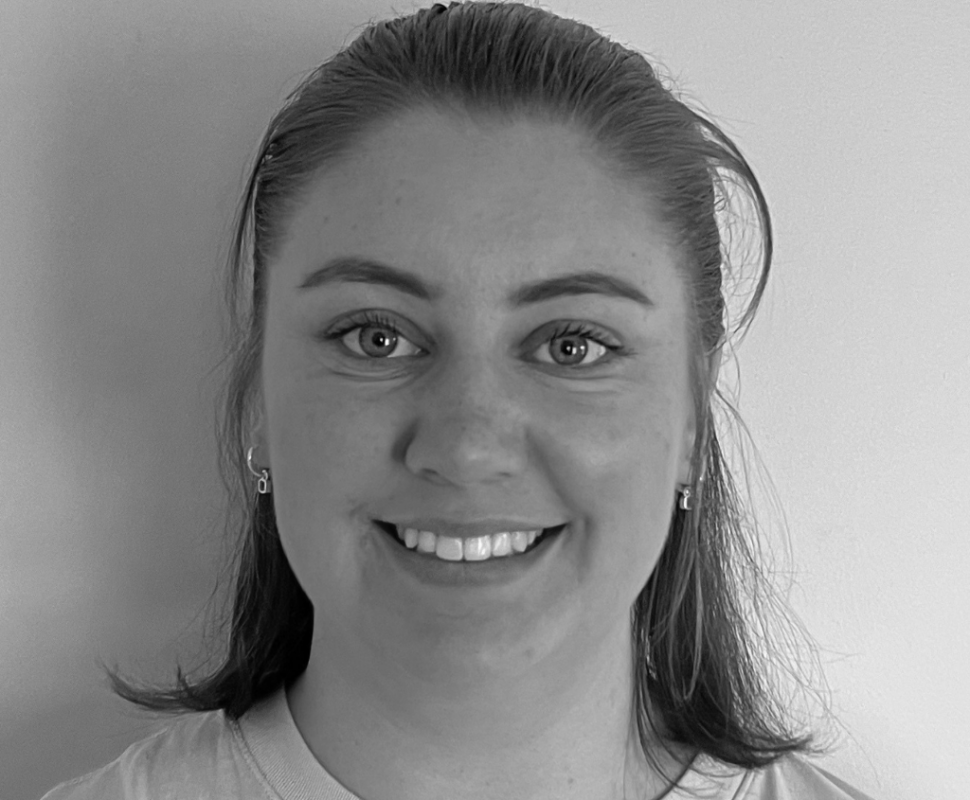
By Sarah-Jayne Duryea, Principal Psychologist | Happy Minds Psychology
Surrogacy is a profound act of generosity, connection, and trust. It asks one person to carry another’s hopes, to share her body and emotions, and to navigate a unique web of medical, ethical, and relational experiences.
For neurodivergent women — those whose brains process the world differently, including individuals with autism, ADHD, dyslexia, or sensory-processing differences — this experience can bring both remarkable strengths and distinctive challenges.
Neurodiversity is not a disorder; it’s a difference. Recognising and embracing those differences ensures the surrogacy process remains accessible, inclusive, and psychologically safe for all who choose to embark on it.
The Meaning of Neurodiversity in Surrogacy
The concept of neurodiversity refers to the natural variation in human brain wiring and cognitive functioning (Singer, 1999; Armstrong, 2010). Neurodivergent people may experience differences in sensory processing, communication style, executive functioning, or emotional regulation.
Within surrogacy, these traits can influence:
- How a surrogate engages with medical systems
- Responses to physical and hormonal changes
- Communication and relational dynamics with intended parents
Although research on neurodiversity within surrogacy is limited, broader evidence highlights the importance of predictability, sensory-safe environments, and clear communication in supporting neurodivergent adults in reproductive and healthcare settings (Botha & Frost, 2020; Camm-Crosbie et al., 2019).
Strengths Neurodivergent Surrogates Bring
Deep focus and commitment – Many neurodivergent individuals show exceptional perseverance once engaged with a meaningful goal. This reliability can be invaluable during treatments and communication with professionals.
Authenticity and integrity – Honesty and transparency are often core values, aligning beautifully with the trust-based ethics of surrogacy.
Preference for structure – Clear routines and predictability can provide reassurance; surrogacy’s scheduled nature can actually be grounding.
Empathy and insight – Despite stereotypes, many neurodivergent people express profound empathy and reflective depth. These qualities often enrich the meaning and emotional intelligence of the surrogacy journey.
Challenges and Considerations
1. Sensory Sensitivity
Pregnancy and medical care involve bright lights, smells, physical touch, and unfamiliar environments. Surrogates with sensory sensitivities can benefit from:
- Low-stimulus rooms or dim lighting
- Quiet waiting areas
- Sensory aids such as noise-reducing headphones or soft-textured clothing
2. Communication Expectations
Surrogacy involves frequent updates and shared decision-making. Neurodivergent surrogates may prefer direct, concrete communication and find ambiguity stressful. Clear communication and plans covering tone, timing, and preferred channels reduce misunderstandings.
3. Emotional Regulation
Hormonal fluctuations can heighten mood variability. Neurodivergent individuals may already find change challenging, so emotional dysregulation can intensify. Ongoing counselling or peer support helps maintain balance.
4. Masking and Burnout
Many neurodivergent adults “mask” their natural communication style to meet social expectations. The relational intensity of surrogacy can increase fatigue if masking continues unchecked.
Creating psychologically safe spaces for open, authentic expression helps prevent burnout.
5. Identity and Meaning
After birth, surrogates often face identity transitions — a blend of pride, relief, and loss (Imrie & Jadva, 2014). Neurodivergent individuals, who may reflect deeply on meaning and belonging, can benefit from guided debriefing and structured post-birth support.
Practical Recommendations for Neurodivergent Surrogates
Before the Journey
- Self-understanding: Reflect on your sensory and communication needs.
- Environmental planning: Request calm waiting areas or a support person during procedures.
- Specialised counselling: Engage a counsellor familiar with both surrogacy and neurodiversity.
During the Pregnancy
- Structure: Use visual calendars or reminder systems for appointments.
- Clear communication: Agree in writing on update frequency and format.
- Sensory self-care: Schedule downtime to prevent overstimulation.
Post-Birth Transition
- Plan for physical recovery: Hormonal and bodily changes still occur, even without parenting duties.
- Emotional integration: Debrief with your counsellor or psychologist.
- Re-establish routines: Predictability supports calm and wellbeing.
Emotional Wellbeing and Support
The emotional complexity of surrogacy intersects with hormonal intensity (Kim et al., 2010).
For neurodivergent surrogates, regulation challenges can be amplified — particularly when routines change suddenly.
Effective support includes:
- Psychological continuity: One consistent counsellor throughout the journey.
- Peer connection: Online or in-person groups that normalise neurodivergent perspectives.
- Validation: Professionals who recognise difference rather than misinterpret it as anxiety or resistance.
Why Neuroinclusivity Matters
Surrogacy is already emotionally and physically demanding. Embedding neuroinclusivity — predictable communication, sensory awareness, transparency — makes it safer and more empowering.
Clinics, counsellors, and medical staff can:
- Provide plain-language medical summaries.
- Offer pre-visit orientation of hospital or clinic settings.
- Send written follow-ups after meetings.
- Include neurodiversity awareness in staff training.
Such steps uphold ethical care and autonomy, key principles of surrogacy practice (van den Akker, 2017; Teman, 2010).
Final Thoughts
Being a surrogate while neurodivergent is not a limitation — it’s a unique expression of empathy, focus, and purpose. Your brain may process the world differently, but your capacity for generosity and connection is universal.
By honouring neurodiversity, we acknowledge that surrogacy should not assume one “typical” way of thinking or feeling. When neurodivergent surrogates are supported according to their strengths, surrogacy becomes not just inclusive — but profoundly human.
References
Armstrong, T. (2010). Neurodiversity: Discovering the extraordinary gifts of autism, ADHD, dyslexia, and other brain differences. Da Capo Press.
Botha, M., & Frost, D. M. (2020). Extending the minority stress model to understand mental health outcomes among autistic adults. Journal of Autism and Developmental Disorders, 50(10), 3393–3406.
Camm-Crosbie, L., Bradley, L., Shanker, R., et al. (2019). ‘People like me don’t get support’: Autistic adults’ experiences of mental health care. Autism, 23(6), 1431–1441.
Imrie, S., & Jadva, V. (2014). The long-term experiences of surrogates. Reproductive BioMedicine Online, 29(4), 424–435.
Kim, P., Leckman, J. F., Mayes, L. C., Feldman, R., Wang, X., & Swain, J. E. (2010). The plasticity of the human maternal brain. Behavioral Neuroscience, 124(5), 695–700.
Singer, J. (1999). Why can’t you be normal for once in your life? In M. Corker & S. French (Eds.), Disability Discourse (pp. 59–67). Open University Press.
Teman, E. (2010). Birthing a Mother: The Surrogate Body and the Pregnant Self. University of California Press.
van den Akker, O. B. A. (2017). Psychosocial aspects of surrogate motherhood: A review. Human Reproduction Update, 23(5), 595–602.
About the Author
Sarah-Jayne Duryea is the Principal Psychologist and Director of Happy Minds Psychology, based in Geelong, Victoria.
With over 25 years of clinical experience, she specialises in trauma therapy, perinatal psychology, surrogacy counselling, and resilience coaching for first responders.
A passionate advocate for neurodiversity-affirming practice and inclusive surrogacy, Sarah-Jayne integrates evidence-based care with deep empathy and lived understanding.
Anxiety Psychologist, Geelong